Ecommerce ROAS: Optimize Ad Spending for 5x Conversion
.jpg)
Ecommerce ROAS: Optimize Ad Spending for 5x Conversion
How to increase ROAS, improve ad performance, and scale ecommerce profitably
If you’ve ever looked at your ad dashboard and thought “this should be working better,” you’re not alone. ROAS is one of those metrics that looks simple on paper but gets complicated fast in real ecommerce scenarios.
This guide breaks down how to increase ROAS, optimize your ad spending, and build a system that actually drives consistent, scalable growth.
What ROAS actually means (and why most people misunderstand it)
At its core, ROAS measures how much revenue you generate for every dollar spent on advertising. It’s a simple ratio, but the implications are anything but simple.
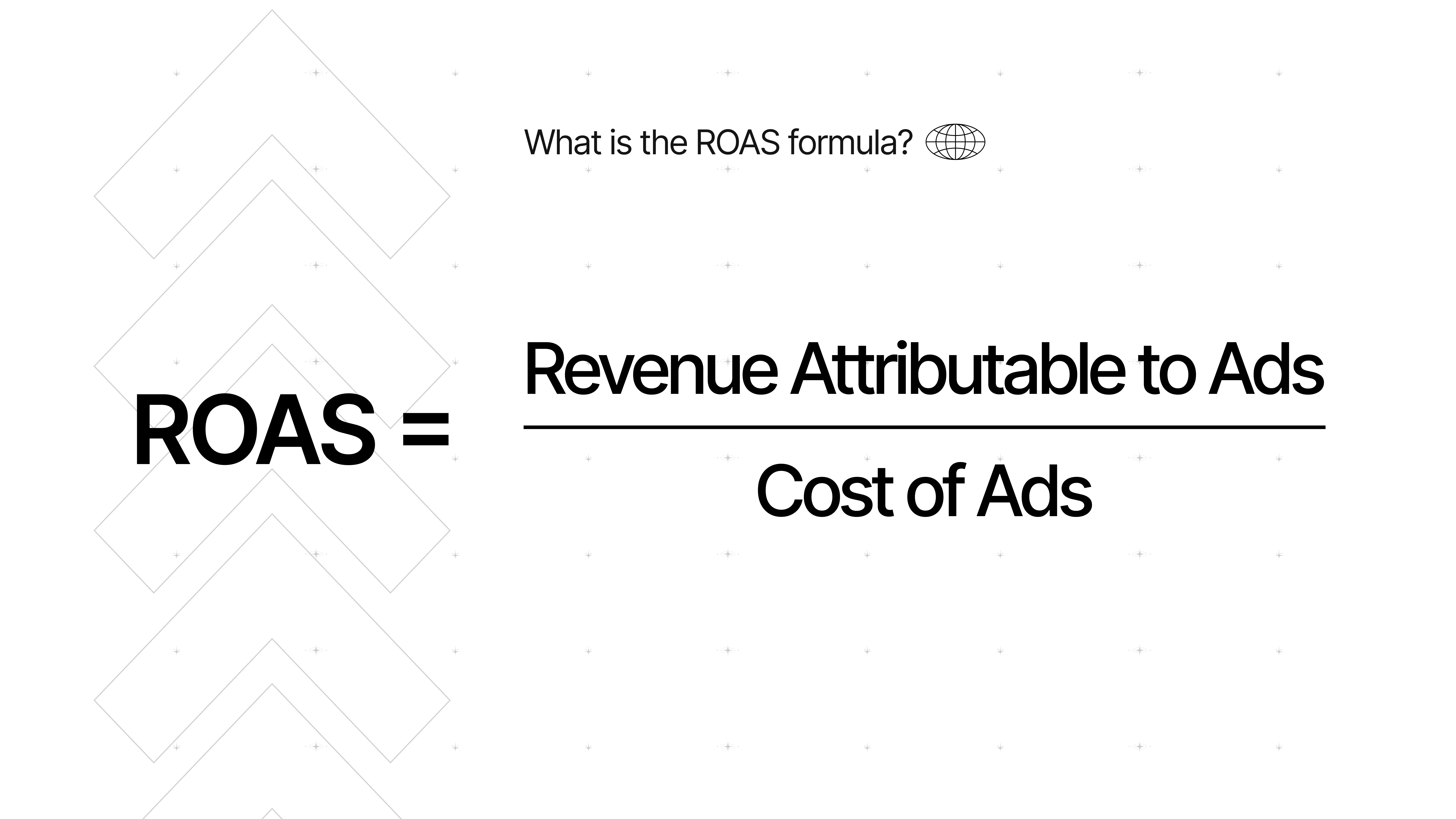
The basic ROAS calculation looks like this: revenue divided by ad costs. If you spend $1,000 and generate $5,000, that’s a 5x result. In other words, for every dollar you spend, you get five back.
Sounds straightforward, but here’s the problem. ROAS isn’t just a number you look at, it’s a metric that needs context. A high number doesn’t automatically mean your business is healthy, and a lower one doesn’t always mean something is broken.
Most founders assume higher ROAS means better performance. And yes, higher ROAS means more revenue efficiency, but only if your margins support it. Without that context, you might be scaling campaigns that look great on paper but quietly drain your profitability.
What a 5x ROAS actually means (and when it matters)
Let’s talk about the idea everyone loves, 5x ROAS.
It’s often presented as the gold standard, but in reality, it’s just a reference point. A 5x result means your ad spending generates five times the revenue. That’s strong performance, but it doesn’t automatically equal profit.
Here’s where things get interesting. Many e-commerce businesses chase 5x because it sounds impressive, not because it fits their business model. But your ROAS target should depend on your costs, not someone else’s benchmark.
For example:
- A brand with high margins might scale at 3x and still be profitable
- A low-margin brand may need 6x ROAS just to break even
So before you set aggressive ROAS goals, ask yourself what you actually need to achieve to avoid losing money.
Because the truth is, ROAS isn’t a universal standard. It’s a business-specific metric that changes depending on your economics.
How to calculate ROAS correctly (and avoid common mistakes)
Most people know how to calculate ROAS. But fewer understand how to interpret it properly.
There are multiple layers you need to consider:
Campaign-level ROAS
This looks at individual campaigns. It helps you identify which ad sets or ad group structures are working.
Channel-level ROAS
This aggregates performance across platforms like Google Ads. It helps you compare results across different ad platforms.
Blended or overall ROAS
This is where things become real. It includes all revenue and all ad spending, giving you a complete view of your business performance.
Here’s the catch. Platforms like Google Ads often overreport results. That’s because of attribution models that assign credit differently across touchpoints.
So while your ROAS across campaigns might look strong, your actual business performance might tell a different story.
And this is where many e-commerce brands get stuck. They optimize based on platform dashboards instead of reality.
“What’s a good ROAS?” (the answer nobody likes)
This is probably the most common question.
“What’s a good ROAS?”
The honest answer is, it depends.
There is a general ROAS benchmark of around 4:1, but that’s just a rough guideline. What matters is your cost structure.
Here’s a simple framework:
- Low margin → need higher ROAS
- Medium margin → balanced ROAS
- High margin → can scale at lower ROAS
A great ROAS for one brand could be a bad ROAS for another.
And here’s the nuance most people ignore. If your business has strong retention, you can afford to run campaigns at a lower initial return because you recover revenue later.
So instead of asking what’s average, ask what works for your business.
Why high ROAS doesn’t always mean success
This is where things get counterintuitive.
You can have a great ROAS and still struggle to grow.
Why?
Because you might be focusing only on high-intent users, like retargeting audiences. These campaigns often deliver strong results, but they don’t scale.
On the other hand, prospecting campaigns tend to have a lower ROAS. But they bring in new customers, which is essential for growth.
This is where ROAS becomes tricky. It’s easy to optimize for efficiency and accidentally limit your reach.
So yes, ROAS matters. But if you only optimize for it, you might miss the bigger picture.
Understanding breakeven ROAS (the number that actually matters)
If there’s one concept you should understand deeply, it’s breakeven ROAS.
Breakeven ROAS refers to the point where your revenue covers all your costs. It’s the level you need to achieve to avoid losing money.
In simple terms:
- If your breakeven is 3x, anything below that loses money
- Anything above that contributes to profit
This depends heavily on your profit margin.
For example:
- 50% margin → breakeven ROAS is around 2x
- 25% margin → breakeven ROAS is around 4x
This is why setting ROAS without understanding margins is dangerous.
You need to know what you can afford to spend, not just what looks good in a dashboard.
The 8 levers that actually increase ROAS
If you want to increase ROAS in a meaningful way, you need to understand what actually moves the needle.
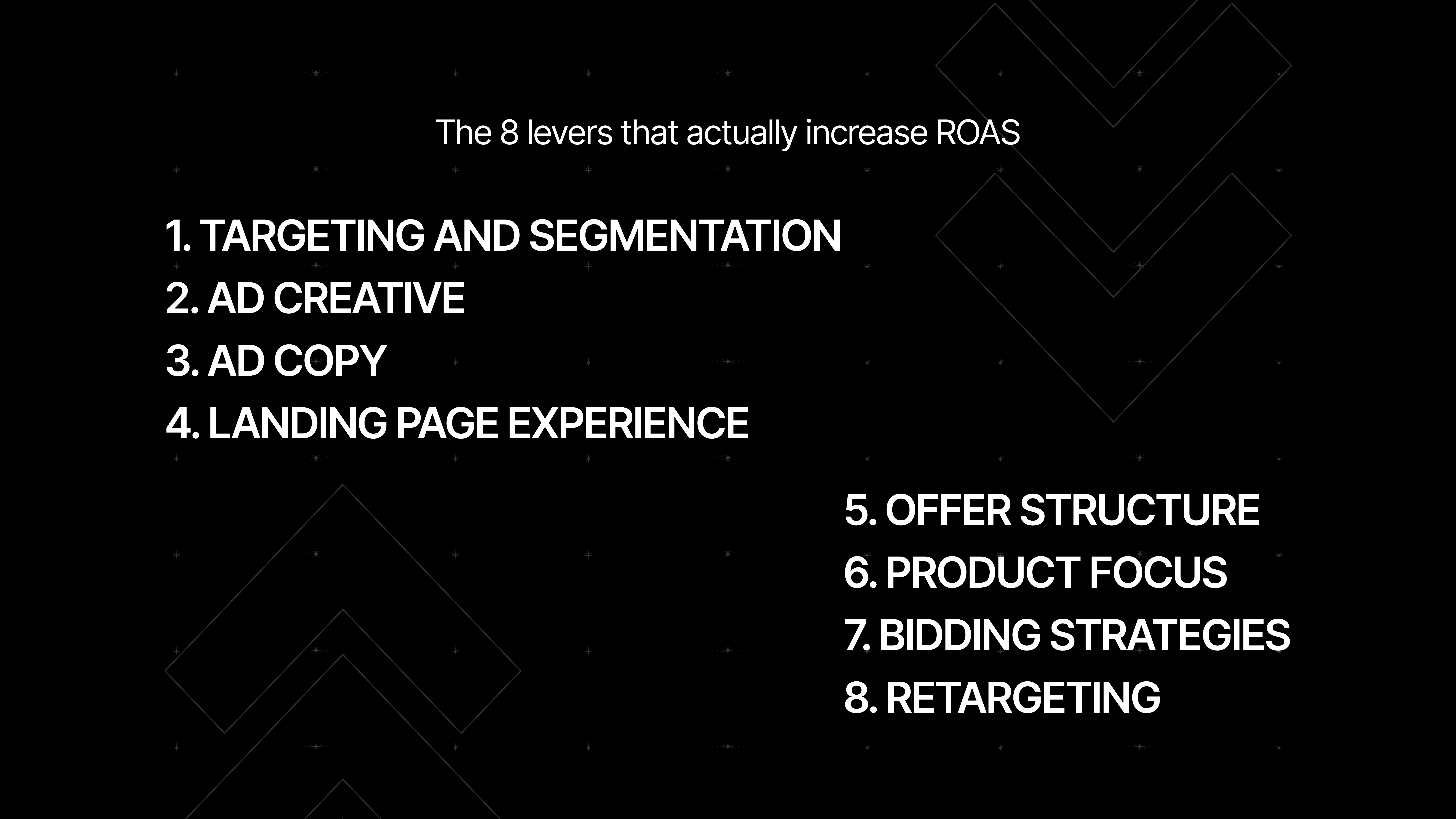
1. Targeting and segmentation
Better targeting reduces wasted spend. Focus on intent and behavior.
2. Ad creative
Strong ad creative drives performance. Without compelling ad creatives, even the best targeting fails.
3. Ad copy
Clear, direct messaging improves conversion. Your ad copy should match what users expect to see next.
4. Landing page experience
A strong landing page improves your conversion rate and overall efficiency.
5. Offer structure
Pricing, bundles, and incentives directly impact performance.
6. Product focus
Not all products perform equally. Allocate budget to high-performing SKUs.
7. Bidding strategies
Smart bidding helps optimize performance across platforms.
8. Retargeting
Different user behaviors require different approaches.
This isn’t about one tactic. It’s about system-level optimization.
How to optimize your ad strategy across platforms
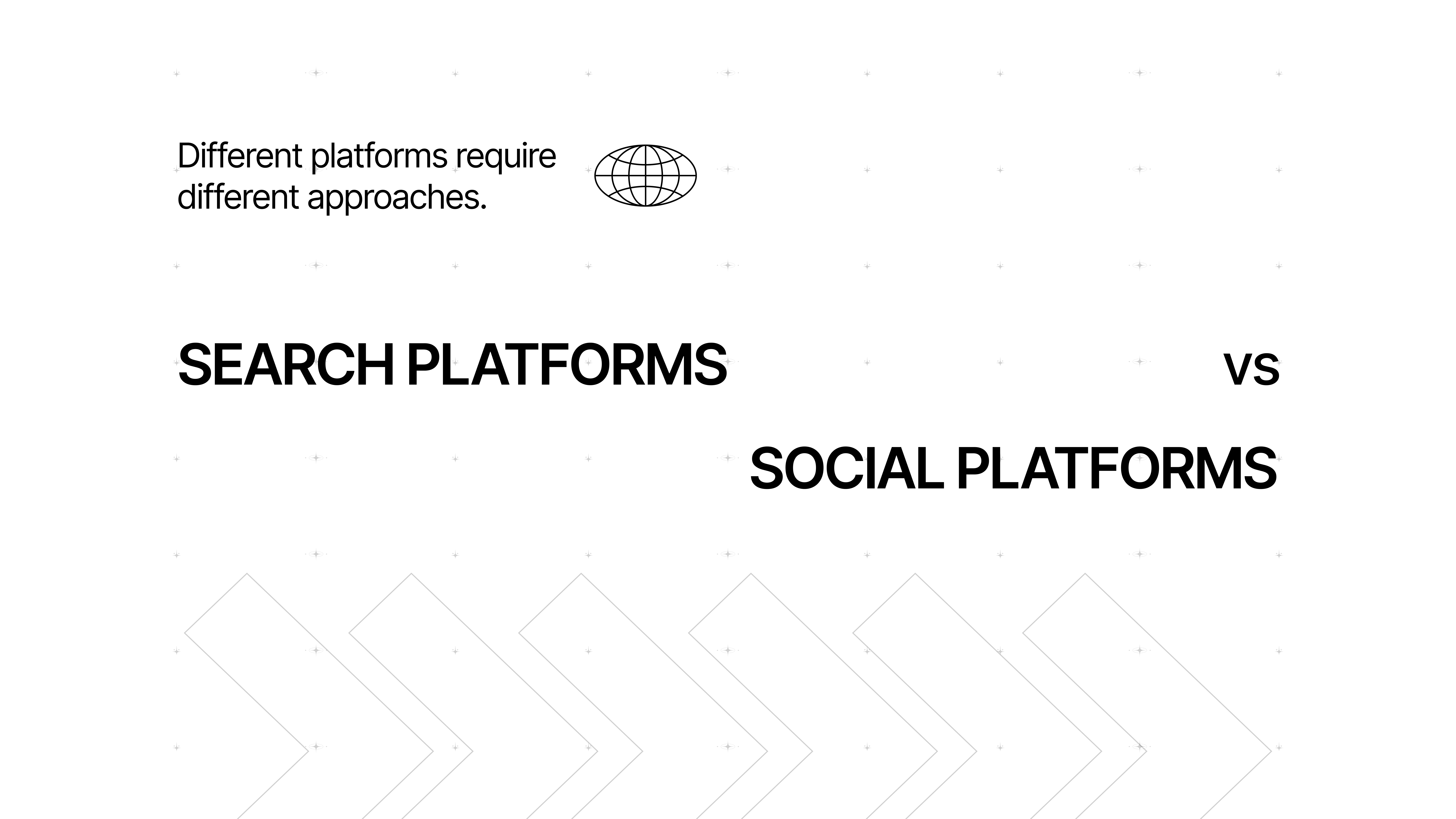
Different platforms require different approaches. On platforms like Google, intent is high. People search with purpose, so your keyword targeting and bid strategies are critical. On social platforms like Meta, it’s about discovery. Your creative and ad formats play a bigger role than targeting precision.
Here’s a simple breakdown:
- Search → intent-driven
- Social → creative-driven
- Retargeting → conversion-driven
And here’s the key. You need to adjust your ad strategy based on the platform, not copy the same approach everywhere.
How landing pages impact ROAS more than you think
Let’s be honest. Most teams focus heavily on ads and ignore what happens after the click.
But your landing page is where conversions actually happen.
If your page is slow, confusing, or lacks trust signals, your ROAS will suffer. Even small improvements in conversion rate can significantly improve your results.
Think of it this way. Ads bring people in, but your site closes the sale.
So if you want to improve ROAS, start looking beyond your campaigns.
Attribution, tracking, and why your ROAS might be wrong
Here’s something many e-commerce brands overlook.
ROAS is only as accurate as your tracking.
Different attribution models can produce different results. Platforms like Google Ads and Meta often claim more conversions than they actually drive.
This leads to inflated numbers.
So while your dashboards show strong performance, your actual revenue might not match.
This is why understanding attribution is critical. Without it, your optimization efforts are based on incomplete data.
Advanced strategies to push beyond average ROAS
Once you’ve covered the basics, you can start thinking about deeper optimization.
One approach is value-based bidding. Instead of optimizing for conversions, you optimize for value.
Another is segmentation by product margin. Not all products deserve the same budget.
You can also refine your ad placements to focus on high-performing environments and reduce wasted spend.
And don’t forget creative iteration. Regular ad testing is essential for maintaining performance over time.
A simple framework to improve your ROAS consistently
If everything feels overwhelming, keep it simple.
Weekly
- Review performance
- Identify low-performing segments
- Adjust bids
Monthly
- Test new creative
- Optimize landing pages
- Reallocate budget
Quarterly
- Evaluate profitability
- Adjust targets
- Refine strategy
Consistency beats complexity.
Common ROAS mistakes e-commerce brands make
Let’s call out the biggest ones.
- Chasing high ROAS instead of profit
- Ignoring margins
- Not testing creative
- Weak landing pages
- Over-reliance on platform data
- Scaling too early
Most problems aren’t caused by ads. They’re caused by the system behind them.
Final thoughts: ROAS is a business metric, not just a marketing one
ROAS isn’t just about ads.
It’s about how your entire system works together, from acquisition to conversion to retention.
If you treat it as just a marketing number, you’ll miss opportunities.
But if you treat it as a business metric, you’ll start making better decisions.
And that’s where real growth happens.

FAQs
What is ROAS in ecommerce?
ROAS measures how much revenue you generate for every dollar spent on ads. It helps evaluate the effectiveness of your advertising campaigns.
How do you calculate ROAS?
You divide total revenue by ad costs. This gives you a ratio that shows how efficient your ad spending is.
What is a good ROAS for ecommerce?
A good ROAS depends on your margins and business model. While 4:1 is common, the right number varies.
Why is my ROAS low?
Low ROAS can be caused by poor targeting, weak creative, or a low conversion rate on your site.
How can I improve ROAS?
Focus on improving your landing page, refining targeting, and testing new ad creative.
Should I optimize for ROAS or profit?
Profit should always come first. ROAS is helpful, but it doesn’t tell the full story.
Is Webflow Good for SEO? Guide & Tips
Is Webflow good for SEO? Explore Webflow SEO capabilities, best practices, & tips. Learn whether to use Webflow to rank higher in search results.

Migrate from Squarespace to Webflow? Guide & Expert Review
Migrate from Squarespace to Webflow? Guide & Expert Review

Visual Storytelling in Your Sales Funnel
Unleash visual storytelling in the sales funnel! Craft a compelling video marketing strategy. Learn how storytelling in sales drives conversions.

Share this Blog Article on Social Media
See you
at 8:00.
Laptop optional.
Swimsuit recommended.
Excuses not accepted.
Let’s innovate together!