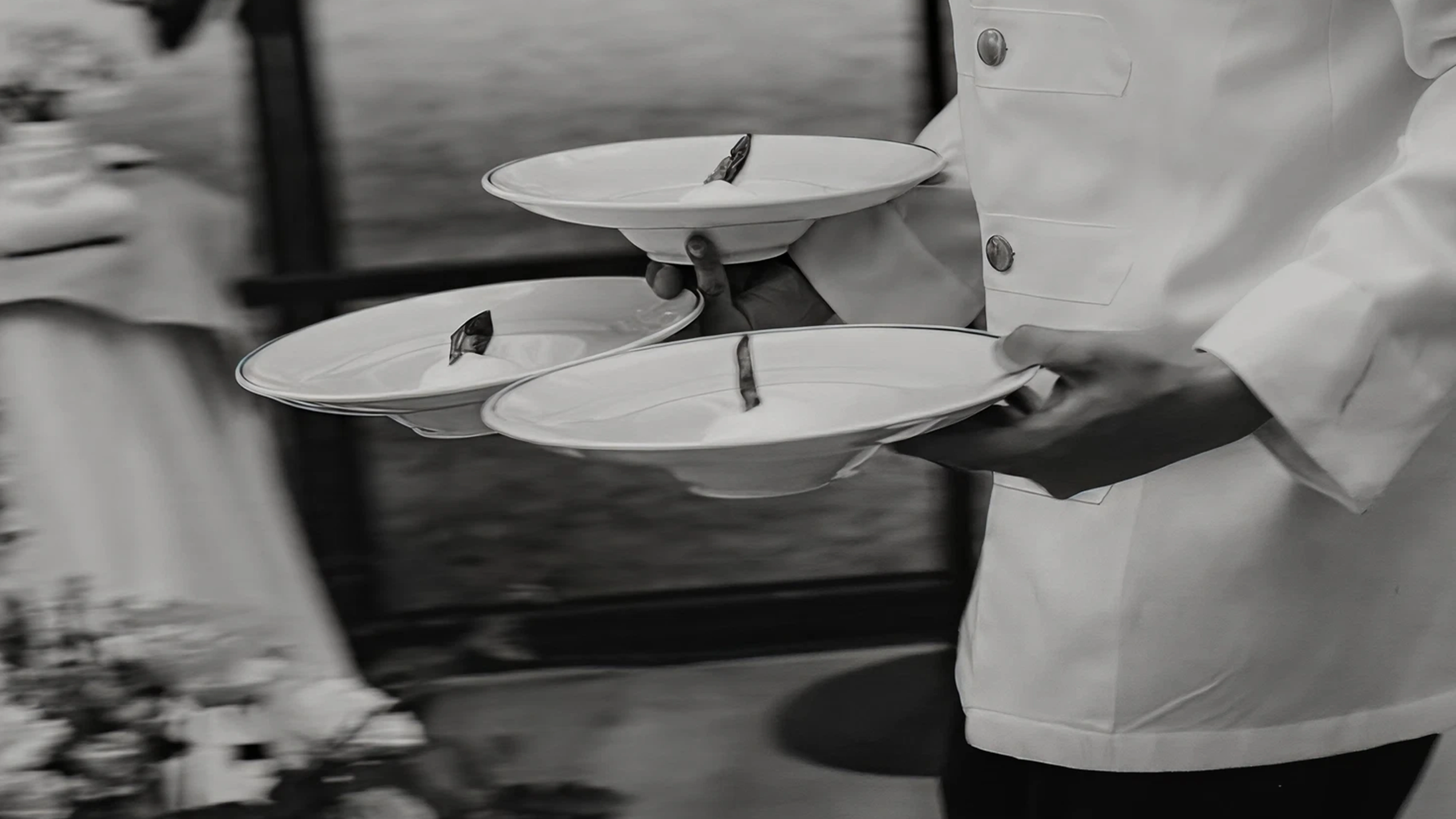
The White Tablecloth Dilemma
.jpg)
A simple hospitality decision revealed how small details shape expectations, influence behaviour and quietly decide who walks through the door.
A few weeks ago, I was sitting with one of our hospitality partners after the rebranding of their venue. What had spent years operating primarily as a bar had slowly evolved into something different. The kitchen had become much more ambitious, lunch and dinner were now an important part of the business, and naturally, the entire guest experience had to start reflecting that shift.
Somewhere in the middle of that conversation, a surprisingly simple question came up.
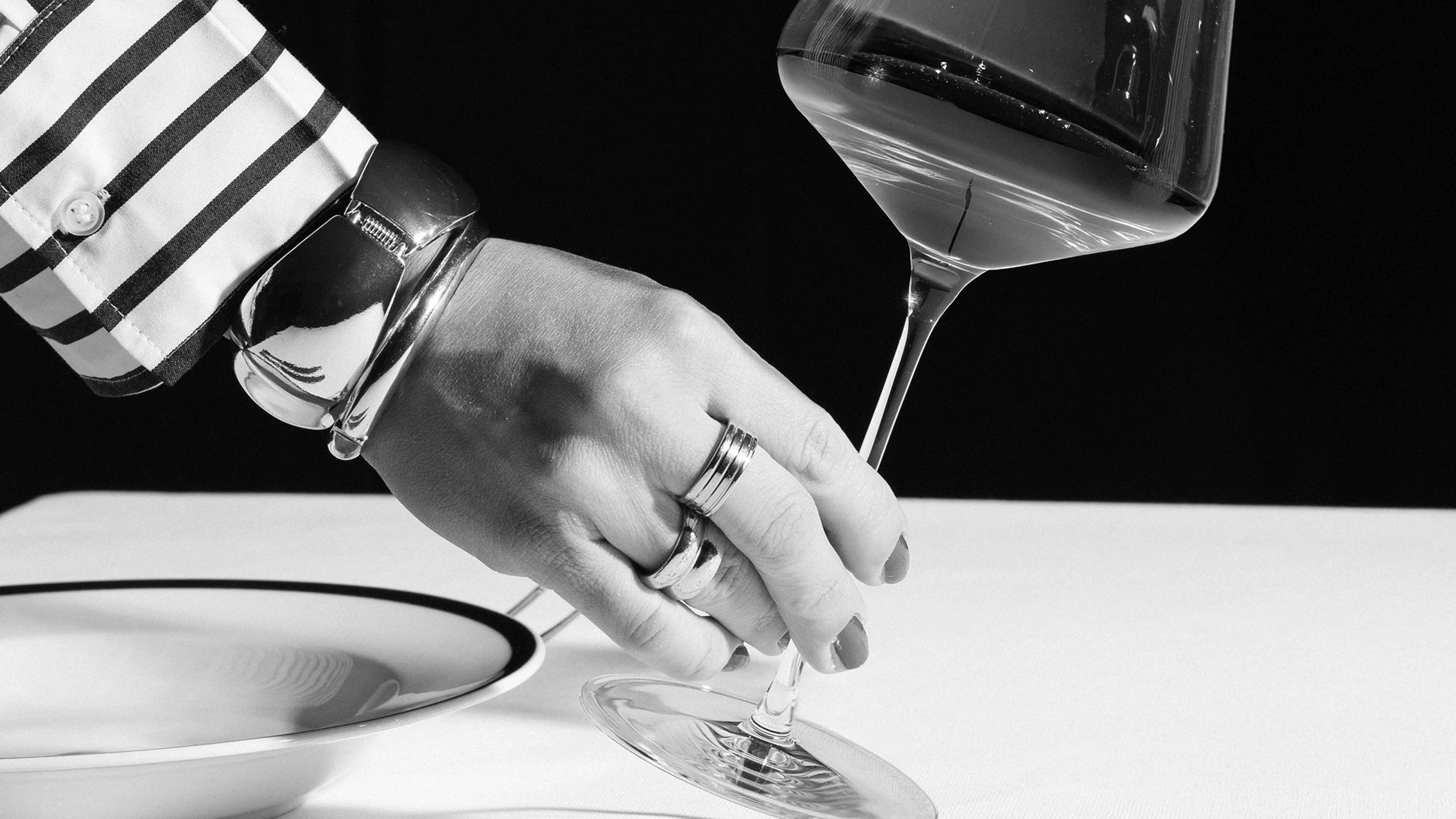
Should we introduce white tablecloths?
At first, it almost sounded like a discussion about decoration. In reality, everyone around the table knew we weren't talking about fabric. We were talking about perception.
The idea wasn't to cover every table. Quite the opposite. A smaller number of tables would be fully dressed with white linen and complete table settings, making it immediately clear that this part of the venue was intended for lunch and dinner. The remaining tables would stay more relaxed, welcoming someone who simply wanted an espresso, a glass of wine or an informal meeting without feeling like they had just walked into a restaurant.
Rather than deciding based on taste, we agreed to treat it as an experiment.
During the first month after opening, they kept adjusting the number of dressed tables. Some weeks there were more, some weeks fewer. They paid attention to how guests reacted, where they naturally chose to sit, whether food orders changed throughout the day and how different setups influenced the overall atmosphere. It became less of an interior design decision and much more of a behavioral study happening in real time.
One thing became obvious surprisingly quickly.
The biggest challenge wasn't convincing new guests to come. It was changing the perception of the people who had already built a relationship with the place.
Many of them had spent years dropping by for a morning espresso, a detox juice or an afternoon drink. They knew the venue as somewhere casual, familiar and effortless. Then one morning they walked in and found neatly pressed white tablecloths, polished glasses and cutlery already waiting on the table.
Nothing about the coffee had changed, and nothing about the staff had changed, yet for some people the entire place suddenly felt different.
Some hesitated. A few even decided to come back another time because the atmosphere felt more formal than they were looking for that morning. At exactly the same time, the venue started attracting guests who previously might have walked past it. Business breakfasts became more common. Lunch meetings appeared naturally. People looking for a proper dining experience immediately understood that this was no longer just a place to grab a drink.
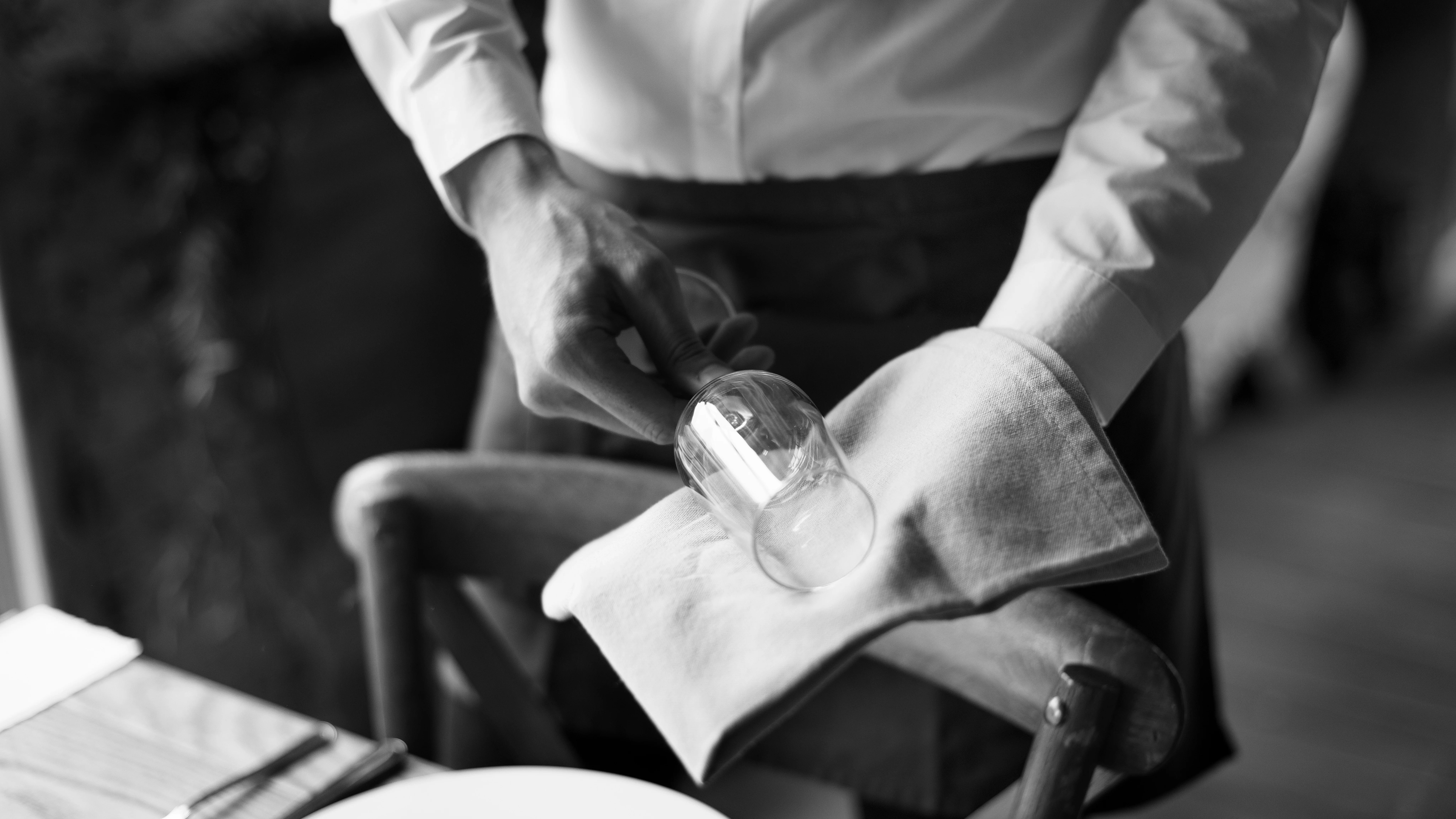
That made me think about how much of hospitality happens long before the first plate reaches the table.
There is a lot of research around environmental psychology showing that people constantly use visual cues to predict the experience they're about to have. Before they read a menu or speak to a waiter, they are already collecting signals from lighting, music, materials, furniture and table settings. A white tablecloth communicates care, attention, a slower pace, a dining occasion and, very often, a higher perceived value. It also raises expectations around service and food quality. Interestingly, the same signal can increase comfort for one guest while creating hesitation for another who simply came for a quick coffee or assumes the experience will be more expensive than they planned for.
The more I thought about it afterwards, the less I believed this was a story about white tablecloths.
It felt like a reminder that every good brand eventually reaches a point where it has to choose who it wants to serve.
Hospitality often falls into the trap of trying to be everything at once. Casual enough for someone grabbing a morning coffee. Premium enough for an anniversary dinner. Busy enough to feel popular. Quiet enough for a business meeting. Affordable enough for everyone while still feeling exclusive.
I honestly don't think those worlds can fully coexist.
Every decision we make inside a space sends a message. Sometimes that message attracts new guests. Sometimes it quietly tells another group that this place is evolving into something different. Neither outcome is necessarily good or bad. It simply means the brand is becoming clearer about who it is.
Looking back, I don't think we were testing white tablecloths at all.
I’d be curious to hear how you see this.

FAQs
What is hospitality branding?
Hospitality branding is the process of shaping how guests perceive a place long before they experience the food, drinks or service. Every detail, from the visual identity and interior design to the menu, music and guest journey, contributes to that perception.
How does brand perception influence guest behaviour?
People make assumptions before they make decisions. The atmosphere, materials, lighting, table settings and countless small details shape expectations, influence behaviour and affect whether someone decides to stay, order more or return.
Why is positioning important in hospitality marketing?
A strong hospitality brand understands exactly who it wants to attract. Clear positioning creates a more memorable experience, stronger loyalty and a clearer reason for guests to choose one venue over another.
Can small design details change how guests perceive a restaurant?
Absolutely. Guests begin forming opinions the moment they approach a venue. Details such as white tablecloths, lighting, furniture, menus and music all communicate subtle messages that influence expectations and behaviour.
What is brand perception in hospitality?
Brand perception is the overall impression guests form before, during and after their visit. It is shaped by every interaction with the brand, including the physical environment, service, communication and emotional experience.
Why do successful hospitality brands focus on perception instead of decoration?
Decoration makes a space look better. Perception shapes how people feel inside it. The strongest hospitality brands design every touchpoint with intention, creating an experience that supports their positioning and business goals.
How does hospitality marketing influence customer experience?
Hospitality marketing extends far beyond advertising. It includes branding, storytelling, interior design, guest experience, service standards and every decision that influences how people remember a place.
Why can't every hospitality brand appeal to everyone?
Every design and marketing decision attracts one audience while creating distance from another. The most memorable brands embrace this reality and build experiences for the guests they truly want to serve, rather than trying to satisfy everyone.
Four minutes to the best marketing in Florence
What can a sandwich in Florence teach us about branding and hospitality marketing? A story of hype, human connection, and what brings guests back.

Webflow Shopify Integration: How to Integrate Shopify with Webflow for a Better Ecommerce Experience
Connect your storefront: Integrate Shopify with Webflow to design unique ecommerce experiences. Build a headless Shopify store and customize the buy button.
.png)
Wix to Webflow Migration: How to Migrate from Wix to Webflow
Migrate from Wix to Webflow smoothly! Learn how to transfer your website from Wix, including your domain and SEO, to a new site on Webflow.
.png)
Share this Blog Article on Social Media
See you
at 8:00.
Laptop optional.
Swimsuit recommended.
Excuses not accepted.
Let’s innovate together!